 San Francisco Injury Lawyer Blog












We frequently use this space to discuss issues related to nursing home mistreatment and other forms of elder abuse. Our Northern California elder abuse law firm believes that talking about these issues will help to bring the problem out of the shadows. Increasing awareness can help prevent future cases and can protect the victims, in part by encouraging people to report suspected cases of elder abuse. The latter goal includes helping victims themselves to speak up; a goal expressed in the title of a San Bernardino campaign “It’s Not Your Fault,” a moniker that recognizes that shame and embarrassment keep victims from speaking up.
American Psychological Association on Factors Leading to Elder Abuse in the Home 
In a report titled “Elder Abuse and Neglect: In Search of Solutions,” the American Psychological Association (“APA”) notes that most elder abuse cases occur in the home and at the hands of other household members or paid caregivers. While extreme cases sometimes make the headlines, most cases of elder abuse are more subtle and the distinction between strained relationships and abuse can be harder discern. Focusing on such cases, the APA asks an important question: Why does elder abuse occur? Of course, the answer is complex and case-specific, but the group focuses on three primary factors:
 Almost every teenager has asked the question at least once, and many parents and educators have struggled to provide an answer beyond “it’s the law” – Why 21, why not 18 (or 16, or no restriction)? Mothers Against Drunk Driving takes a look at the age restriction in a
  Surprisingly, the most comprehensive, detailed report analyzing motorcycle accidents and their causes is more than thirty years old. In 1981, the National Highway Traffic Safety Administration released the results of a study led by Harry Hurt, titled
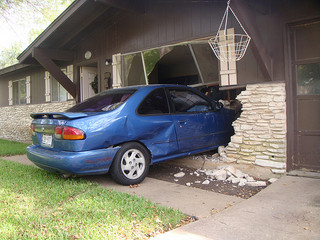 Police Suspect Speeding Led to Horrific San Jose Crash
  Current and Proposed Provisional License Rules
 Cable Car History
 According to the